
Longlines are one of the most underrated dog training tools!
Most people think of them as just “a really long lead,” but they can completely change the way you train recall, freedom, engagement, and safety outdoors.
I use longlines a lot in training because they allow dogs to safely practise good habits while still giving them freedom to move, explore, and sniff naturally.
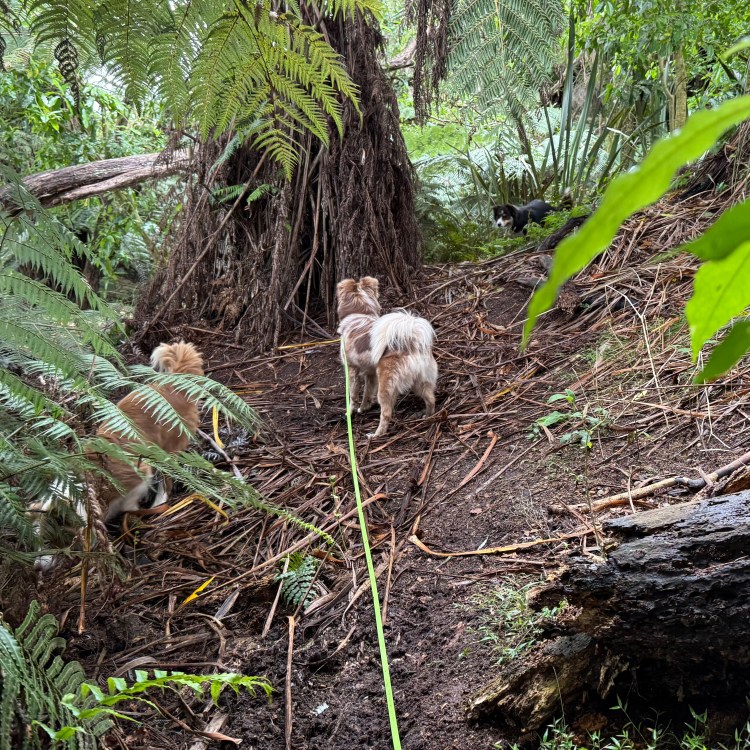
They are especially helpful for:
• puppies
• teenage dogs
• dogs learning recall
• high prey drive dogs
• nervous or sensitive dogs
• newly adopted dogs
• and dogs that suddenly “forget” their recall when outdoors
One of the biggest mistakes dog owners make is giving too much freedom too early.
If a dog is repeatedly allowed to:
• ignore recall
• run off
• chase things
• disconnect from their owner
• or rehearse unwanted behaviours
those behaviours become stronger through repetition.
Dogs learn through practising.
Every time a dog successfully ignores their owner and keeps running, they are learning that not coming back works for them.
A longline helps prevent those rehearsals while still allowing training opportunities.
Instead of constantly needing to say “no,” you can calmly guide the dog back into making good choices.
Longlines are not about controlling your dog – they are about setting dogs up to succeed.
They also help create confidence for owners.
A lot of owners become nervous about letting their dog off lead because they don’t trust their recall yet. A longline creates a middle ground between a short leash walk and full off-lead freedom.
Your dog still gets:
• freedom to explore
• opportunities to sniff
• movement and enrichment
• recall practice
• and engagement training
while you still have a safety backup if needed.
I personally use longlines a lot with my own dogs too.
With my puppies, I generally use longlines until their recall is reliable across different environments. I’d much rather prevent rehearsal of bad habits than hope for the best and end up with a dog learning that ignoring recall is an option.
We also used a longline extensively with Puzzle after rehoming her at 16 months old. Not only was she learning a completely new environment and routine, but we had also changed her name, meaning we were essentially building an entirely new recall cue from scratch.
The longline allowed us to safely practise recall and engagement without giving her opportunities to rehearse running off or disconnecting from us.
Even now, we still use a longline with her in certain environments if I think she may struggle. That’s not failure — it’s simply setting her up to succeed.
We also use this same approach with our adventure walks (in the daycare/boarding kennels). All new dogs start out on longlines while they learn the routine, build engagement with us, and show us they can make good choices outdoors. Giving dogs freedom gradually helps set them up for success instead of expecting too much too soon.
Good dog training isn’t about testing dogs before they’re ready – it’s about creating consistent successful repetitions.
I highly recommend using longlines with a well-fitted harness rather than attaching them to a collar. If a dog suddenly hits the end of the line at speed, a harness helps spread pressure more safely and comfortably across the body. This is especially important with longer lines where momentum can build quickly.
Longlines are a fantastic tool for building:
• recall
• engagement
• calmness outdoors
• check-ins
• and good decision making
without risking your dog disappearing into the distance pretending they suddenly can’t hear you.
Honestly, I think that they are one of the best training tools dog owners can own!
 shinecanine.co.nz