
At home, your dog listens. They come when called. They respond to their name. They pay attention. Then you take them out and about… and it all falls apart.
It’s Not Stubbornness
This is where a lot of people get stuck. They think: “My dog knows this… they’re just choosing not to listen.” But that’s not what’s happening.
Dogs Don’t Generalise Well
Just because your dog can do something at home doesn’t mean they can do it somewhere else. To your dog, your house, your backyard, the park, and the beach are all completely different environments.
The Environment Changes Everything
When you’re out and about, your dog is dealing with new smells, movement, other dogs, people, and sounds. All of those things are interesting. All of them are rewarding.
You’re Competing With That
At home, you’re the most interesting thing. Out and about, you’re competing with the environment. And most of the time, the environment is winning.
That’s Why Things Fall Apart
It’s not that your dog has forgotten. It’s that the environment is more rewarding, your cues aren’t as strong there yet, and the difficulty has increased.
Set Your Dog Up to Succeed
This is the piece that makes the biggest difference. Instead of testing your dog, set them up so they can actually get it right.
Save High Value Rewards For When Distractions Increase
Save your highest value rewards for when the environment becomes more challenging. When you’re out and about and distractions increase, that’s when you need something that can compete with the environment. At home, use your dog’s daily food allowance for training rather than special treats. But as the difficulty (and distraction) increases, so should the value of your rewards.
Why This Matters
If you use high value rewards all the time in easy environments, they lose their impact. By saving them for harder situations, you keep them meaningful, increase your dog’s motivation when it matters most, and make it easier to compete with real-life distractions.
Keep It Simple
Low distraction = lower value rewards. High distraction = higher value rewards. Match the reward to the environment.
Use Management to Your Advantage
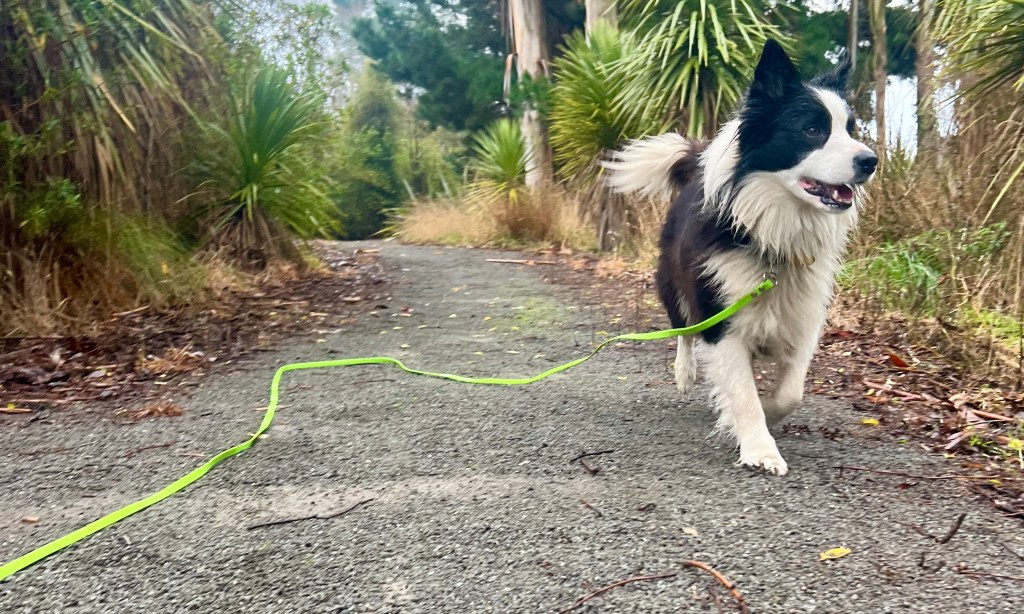
One of the easiest ways to do this is using a long line. A long line gives your dog freedom to explore and space to move, but still gives you control, the ability to follow through, and a way to prevent them from ignoring you.
Why This Matters
If your dog is off lead and doesn’t come, there’s nothing you can do. But on a long line, you can guide them back, reinforce the behaviour, and stop them practising ignoring you.
What This Builds
Instead of your dog learning “I don’t have to come,” they start learning “When I’m called, I come.” Every time.
Train in Stages
Instead of expecting the same behaviour everywhere, build it up gradually: start in easy environments, add small distractions, and slowly increase difficulty.
Reward More Out and About
Your dog needs more motivation in harder environments. Use food, engagement, and movement. Make it worth their while.
Make It Easier on Yourself
If you want to make this easier, a long line is one of the best tools you can use. It allows you to give your dog freedom, protect your training, and build reliable behaviour safely.
Keep Expectations Realistic
Coming when called at home is step one. Coming when called out and about is a completely different level, and it takes practice.
Want Help With This?
This is exactly what we work on inside my Online Training: Life Skills. Because training isn’t just about what your dog can do at home, it’s about what they can do in real-life situations.
The Big Takeaway
Your dog isn’t ignoring you. They’re just in a completely different environment. Set them up to succeed, and everything starts to come together.
 shinecanine.co.nz