
When we think about breeding dogs, it’s easy to focus on the exciting parts — cute puppies, great temperaments, and impressive working or sporting ability. But behind every truly responsible breeding decision should be something far more important: health testing.
Health testing helps reduce the risk of inherited diseases and gives puppies the best possible start in life — physically, mentally, and emotionally.
What is genetic health testing?
Genetic health testing checks whether a dog carries genes for inherited conditions that could be passed on to their puppies. A dog can look fit, active, and perfectly healthy — yet still carry genes that may cause serious issues in the next generation.
Testing allows breeders to make informed choices, not guesses.
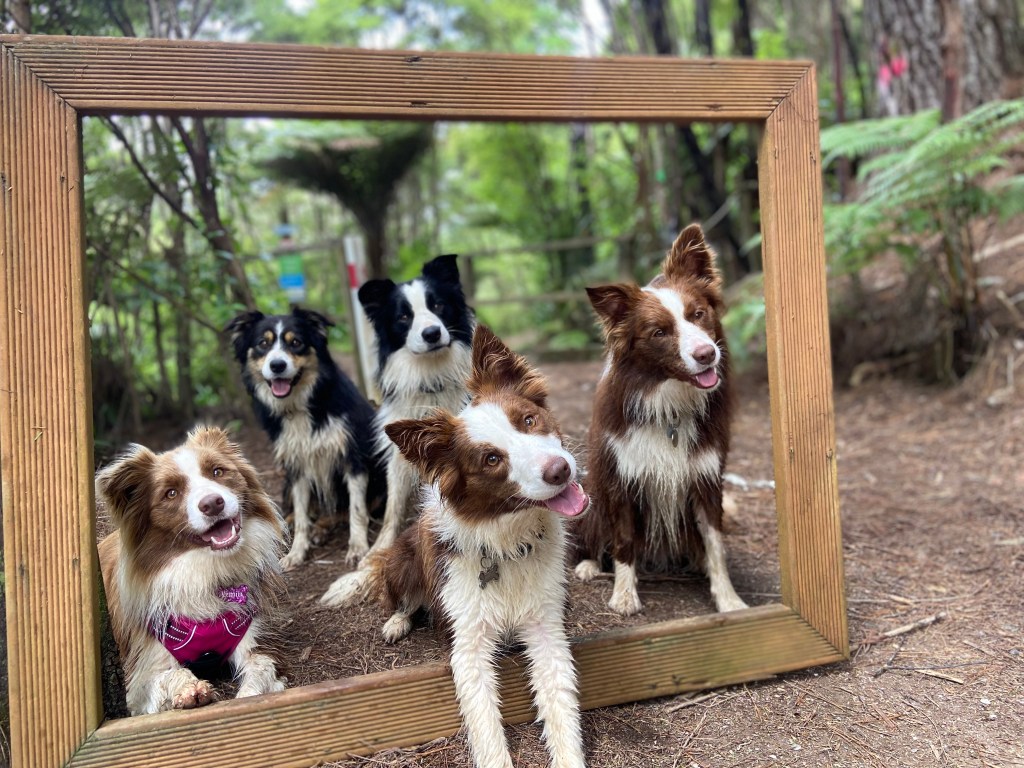
Border Collies: fit, smart… but not immune
Let’s look at Border Collies as an example, as that is the breed I am most familiar with…
Border Collies are often seen as one of the healthiest breeds — athletic, intelligent, and built to work. While many are incredibly robust, Border Collies are also known to carry several inherited conditions that cannot be identified just by looking at the dog, along with various other breeds of dogs.
Some examples include:
- CEA (Collie Eye Anomaly) – an inherited eye condition that can range from mild vision issues to blindness
- CL (Ceroid Lipofuscinosis) – a devastating neurological disease that affects movement, behaviour, and lifespan
- TNS (Trapped Neutrophil Syndrome) – a condition affecting the immune system, often fatal in young puppies
- MDR1 sensitivity – affects how dogs process certain medications
- Hip dysplasia – especially relevant in high-drive, working and sport dogs
Many Border Collies that carry these genes live completely normal lives — but if bred without testing, their puppies may not be so lucky.
Another important example: EAOD in Border Collies
Another condition that highlights why health testing matters in Border Collies is EAOD (Early Adult Onset Deafness).
EAOD is a genetic condition where dogs are born with normal hearing but gradually lose it as young adults, often between 1–3 years of age. Because these dogs hear normally as puppies, the condition can easily go unnoticed until training, competition, or daily life starts to feel “off”.
For active Border Collies — especially those doing agility, working stock, or advanced training — losing hearing can:
- Impact performance and safety
- Be confusing and frustrating for both dog and owner
- Require major changes to training and handling
- Come as a complete shock to families
Because EAOD doesn’t show up in puppyhood, health testing is the only way to reduce the risk of producing affected dogs.
This is another example of why relying on “they look healthy” or “they work well” isn’t enough when making breeding decisions.
A real-life example from my own dogs
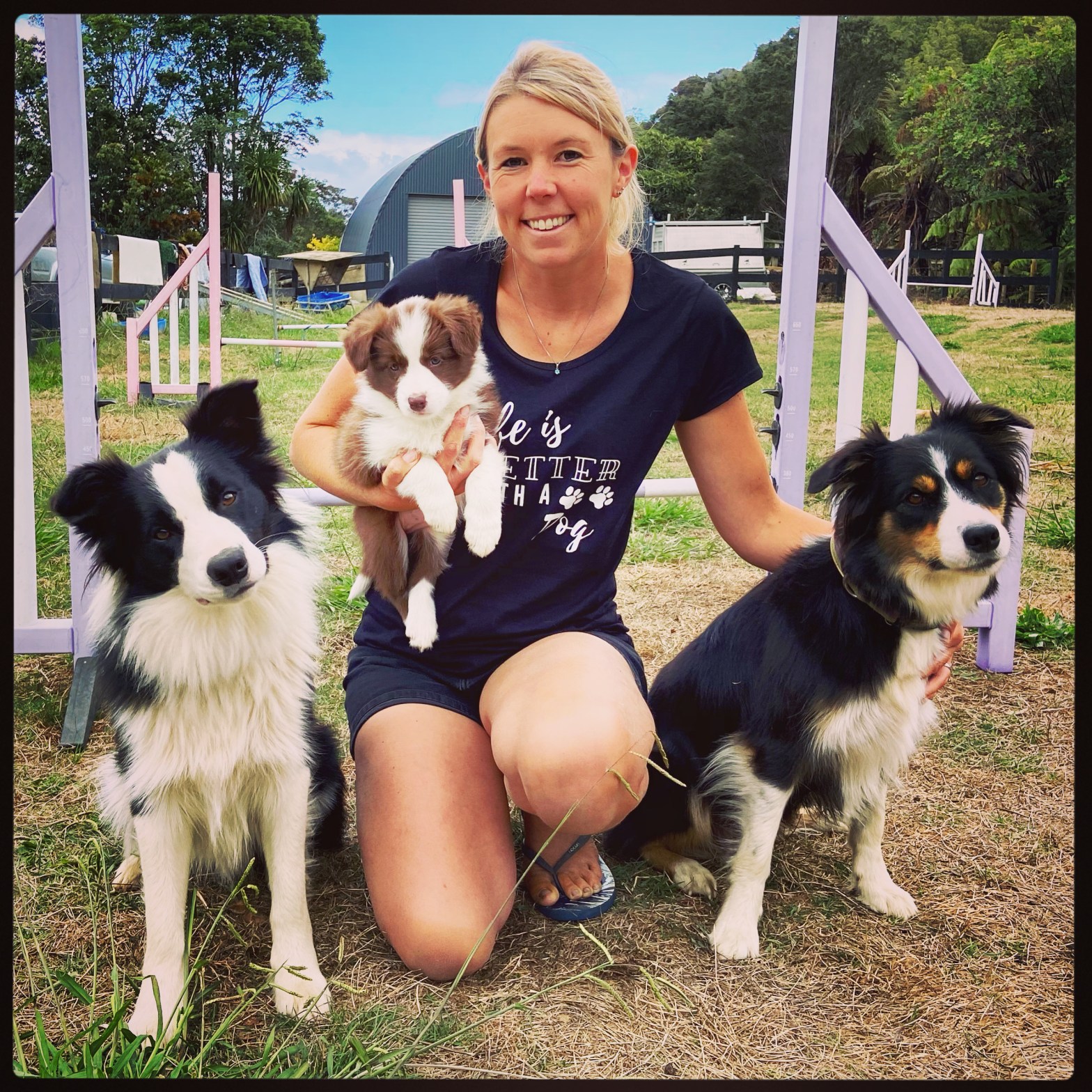
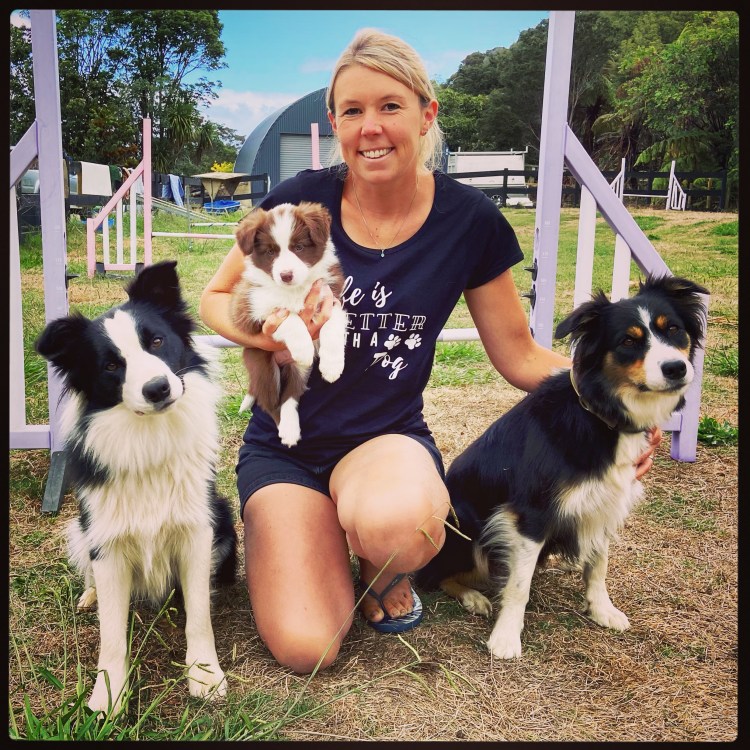
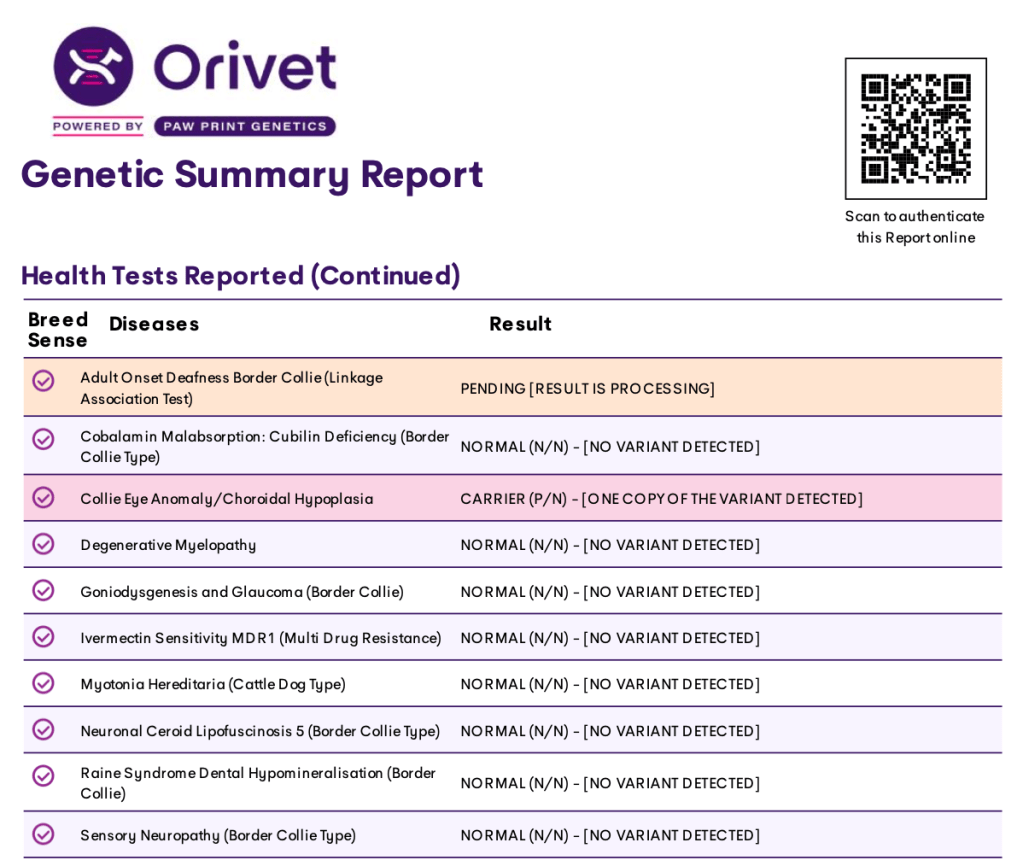
Thanks to health testing, I knew that my bitch Ember carried CEA (Collie Eye Anomaly). Ember herself is healthy and unaffected — but knowing her genetic status meant I could make responsible decisions about breeding.
Because Ember carried CEA, it was essential that the stud dog she was bred with did not carry CEA. Without health testing, this would have been a gamble — and one that could have resulted in affected puppies.
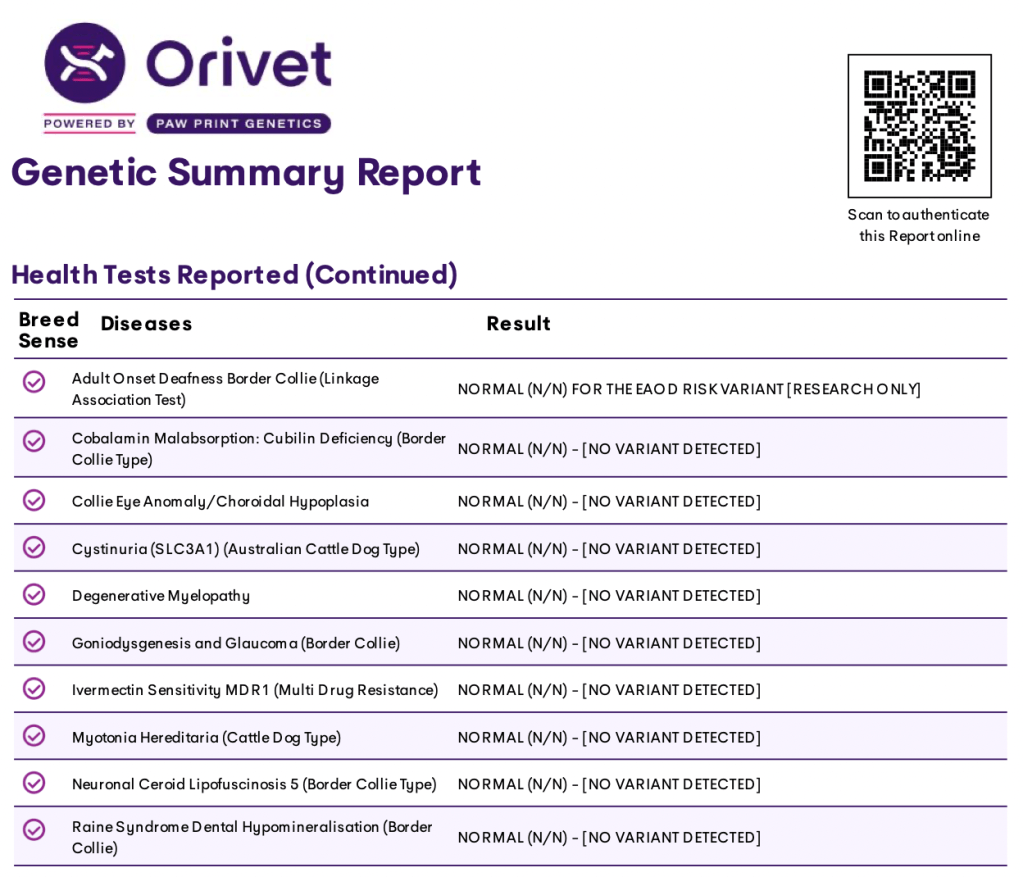
Before I got Blaze, I ensured that his parents had been health tested, which they had and were clear. While this meant Blaze was considered clear by parentage, before ever using him for breeding I still chose to run a full genetic health panelon him.
Blaze came back clear of all tested genetic diseases, providing peace of mind for both me and future puppy owners.
“But my Border Collie is working, competing, and totally fine…”
This is one of the most common assumptions.
A Border Collie can:
- Run agility
- Work stock
- Be pain-free and energetic
- Have an excellent temperament
…and still carry genes for serious inherited disease.
Health testing looks at what can’t be seen on the outside.
Why health testing matters for active and sport dogs
In breeds like Border Collies — where agility, herding, obedience, and flygility are common — genetic health matters even more.
Conditions like hip dysplasia or neurological disease may:
- Limit a dog’s ability to work or compete
- Cause pain later in life
- Cut a promising sports career short
- Lead to difficult decisions far earlier than expected

Health testing helps protect not just puppies, but their future quality of life.
Responsible breeding vs “they’ll be great pets anyway”
A responsible breeder:
- Health tests both parents
- Tests for conditions relevant to the breed (not just the minimum)
- Uses results to choose safe pairings
- Is open and transparent with buyers
Even if the puppies are “just pets,” they still deserve the best possible genetic start.
Skipping health testing doesn’t make puppies cheaper in the long run — it often just shifts the cost to the buyer in vet bills, stress, and heartbreak.
Why this matters if you’re adding a dog to your family…
Whether you want:
- A family companion
- A farm dog
- An agility superstar
- Or a weekend adventure buddy
Health matters.
Choosing a puppy from health-tested parents means:
- Lower risk of inherited disease
- Greater chance of a long, comfortable life
- More confidence in your breeder’s ethics
- Supporting the future health of the breed
Questions puppy buyers should feel confident asking
If you’re looking at a Border Collie litter (or any breed), it’s okay to ask:
- What health tests have been done on the parents?
- Are they tested for CEA, CL, TNS, hips, etc.?
- Can I see the results?
Good breeders won’t be offended — they’ll be relieved you care.
The bottom line
Health testing isn’t about creating “perfect” dogs.
It’s about reducing avoidable suffering and making thoughtful breeding decisions.
Border Collies are incredible dogs — smart, driven, loyal, and versatile.
Health testing helps ensure the next generation gets to live up to that potential.
 shinecanine.co.nz