
Training Tip Tuesday – By Tarah
Why is Recall Important?
A strong recall ensures your dog will come back to you no matter the situation. Whether you’re at the beach, park, or hiking off-lead, it’s a safety tool that gives your dog the freedom to explore while keeping them safe.

Step-by-Step Guide to Recall Training
- Choose a Recall Cue:
Pick a word that will always mean “come back to me”—e.g., “Dogs name (in a certain tone)”, Come!” or “Here!” Be consistent and avoid overusing it in everyday conversation. Teach the dog that this cue = reward. Every time you say the cue give them a reward (ie a piece of their kibble or a treat) - Use Management to Set Your Dog Up for Success:
Prevent your dog from making the wrong choice by managing their environment. For example, use a longline or keep them in a secure area while training with a catch lead on in case they decide to play keep away. If your dog has the freedom to ignore your call and run off to something more fun, they’re effectively rewarding themselves for not listening. Behaviour that is rewarded will increase, so it’s essential to limit their chances to practice unwanted behaviors. - Start in a Controlled Environment:
Begin in a quiet, enclosed space like your home or garden to minimize distractions. This makes it easier for your dog to focus on you and succeed. - Reward Generously:
When in the home environment I use my dogs daily food allowance (kibble) as their training reward. When we go out and the distractions increase I use high-value treats (something extra special like chicken or cheese – our go to is Superior Chunky Dog Roll and Dried Liver) or a favourite toy. It’s also super handy to wear a treat bag full of these tasty treats. Coming to you should always be worth their while. You want your dog to choose YOU over the ENVIRONMENT. Because if you think about it, the environment is always rewarding the dog – so why shouldn’t we! - Practice with a Long Line Outdoors:
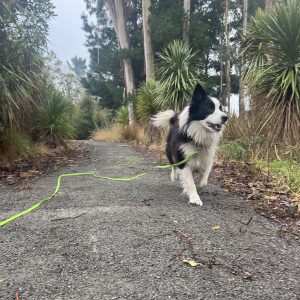
When moving to outdoor training, use a long lead. This allows your dog to explore while ensuring you can guide them back if they get distracted. It’s an excellent way to balance freedom and control while reinforcing the right behaviours, and not practicing the undesirable behaviours. - Make Recall Training Fun with Games:
One of the best ways to strengthen your dog’s recall is through games! Recall games, such as hide-and-seek or “chase me,” can make coming back to you exciting and rewarding for your dog. These games are perfect for building reliability and focus in a way that your dog loves. We cover various recall games in our online training community, so join us for even more ideas and tips! - Gradually Add Distractions:
Once your dog is responding well in quiet settings, increase the challenge by practicing around mild distractions, like other dogs or people. When the distractions increase so too should the reward value – so make sure you are saving the super tasty treats for when you need them! - Stay Consistent with “Name + Cue” Training:
Call your dog’s name first to get their attention, then immediately follow with your recall cue. Use an upbeat and inviting tone. Reward them (with food) every time you give this recall cue! - Never Punish Mistakes:
If your dog hesitates or doesn’t come immediately, avoid scolding them. Coming to you should always be a positive experience.
Common Mistakes to Avoid
- Overusing the recall cue when your dog isn’t responding – for example if your dog is eating something stinky and you don’t have them on a longline, if they are unlikely to respond, do not call them – this is the reason why you should leave them on a longline, even if their recall is getting good just let them drag it, at least then you have something to grab hold of to get them to disengage from whatever is distracting them and get their attention back on you.
- Calling your dog when you’re about to do something they dislike (e.g., leaving the park). Aim to reward your dog 99% of the time and the release them to be free again, 1% of the time you call them should be when it’s time to go back home again.
- Failing to practice in varied environments. Once your dog can do it at home, make sure you “take it on the road” and practice it in all different environments.
When to Seek Professional Help
If your dog struggles with recall despite consistent practice, or if they’re easily distracted by prey or other dogs, it might be time to work with a trainer. Sometimes, one-on-one lessons or group lessons can make all the difference.
Bonus Tips for Success
- Make it a game: Play hide and seek or chase games to make coming to you fun.
- Use recall during positive moments, not just at the end of playtime.
- Be generous with rewarding your dog – use their daily food allowance through training rather than free food from a bowl (consider that no dogs in the wild ever eat from bowls!)
- Stay patient: Every dog learns at their own pace.
Stay tuned for further recall training tips and if you have any questions feel free to let us know! 😊
Happy training!!
 shinecanine.co.nz